Why Pick Professional Welding Inspection Madison for Your Jobs
The Value of Thorough Welding Assessment in Industrial Applications
In the world of commercial applications, the significance of meticulous welding inspection can not be overemphasized. It plays a vital duty in making certain the structural honesty and longevity of bonded components. Advanced non-destructive testing techniques enable for the very early detection of possible defects, such as cracks and insufficient fusion, which, if left unattended, could result in devastating failings. Adherence to rigorous market requirements not only guarantees top quality but likewise builds customer self-confidence. As we discover the complex advantages of attentive welding examinations, one need to take into consideration the wider effects on safety, reliability, and cost-effectiveness in industrial operations.
Enhancing Structural Stability
When it involves welding evaluation in industrial applications, improving structural stability is extremely important. The key goal of welding inspection is to guarantee that the welds are capable of birthing the expected loads and stresses they will certainly come across in solution. This involves a thorough examination of the welds' dimensions, placement, and general high quality, guaranteeing they meet the defined criteria and codes. Accurate assessment approaches, such as visual assessment, ultrasonic testing, and radiographic screening, are crucial in recognizing problems that might endanger the structure's security and functionality - Welding Inspection Madison.
The value of preserving architectural honesty in bonded frameworks can not be overemphasized. Poorly executed welds can bring about disastrous failures, causing expensive fixings, downtime, and even endangerment of human lives. Consequently, assessors play a crucial function in the lifecycle of industrial elements, providing assurance that the welding process supplies the desired strength and sturdiness.
In addition, advanced innovations, such as phased array ultrasonic screening and electronic radiography, deal boosted capabilities in identifying possible weaknesses, permitting rehabilitative procedures before concerns escalate. By focusing on the integrity of welds through thorough assessment, sectors can guarantee operational performance and expand the long life of their framework.
Identifying Welding Defects
Determining welding flaws is a crucial element of making certain the safety and integrity of bonded frameworks. Typical welding defects include porosity, splits, incomplete blend, and undercutting.
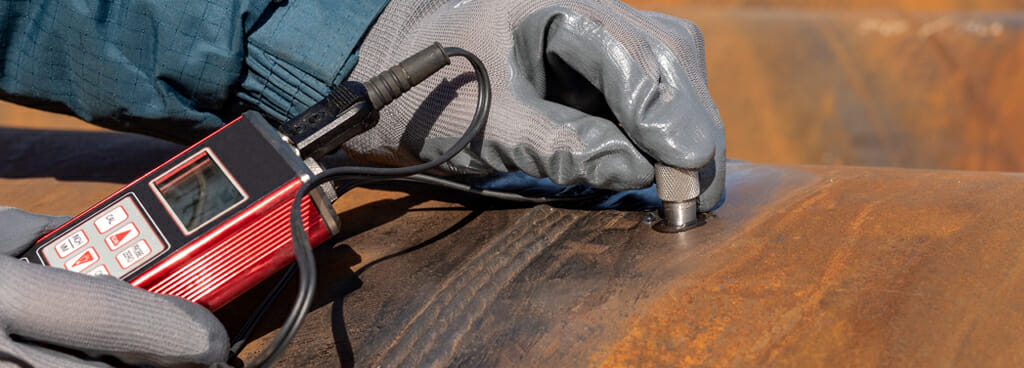
Knowledgeable assessors use both visual assessment and advanced non-destructive screening (NDT) methods, such as ultrasonic or radiographic testing, to spot these problems. The prompt identification and correction of welding defects are essential to maintain the structural honesty and longevity of industrial elements.
Ensuring Conformity Specifications
Compliance with well-known criteria, such as those provided by the American Welding Society (AWS) and the International Organization for Standardization (ISO), guarantees that welds fulfill minimal safety and security and quality demands. These standards incorporate a vast range of requirements, consisting of material specs, welding procedures, and certification of welders.
Normal audits and evaluations are important in validating compliance. Inspectors must possess a comprehensive understanding of the relevant criteria and be experienced at using different non-destructive testing (NDT) approaches to evaluate weld high quality. By ensuring that welding methods straighten with conformity standards, firms reduce the threat of non-conformity, which can cause lawful liabilities and safety hazards.
In addition, preserving conformity not just safeguards architectural stability yet additionally improves a firm's track record in the industry. Customers and stakeholders are much more likely to trust firms that consistently demonstrate a dedication to high quality and security via extensive conformity. Therefore, making certain compliance requirements is a crucial component in the effective execution of welding in commercial applications.
Reducing Upkeep Prices
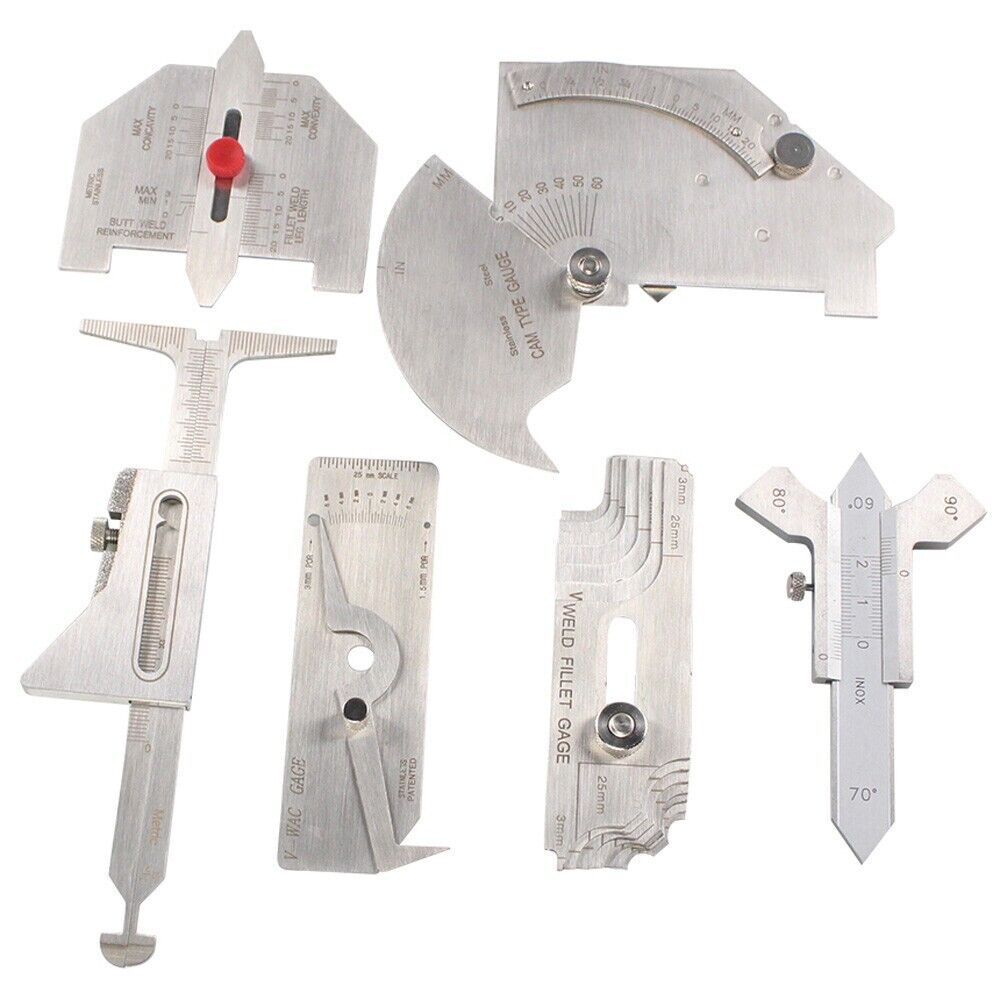
The application of innovative non-destructive screening (NDT) approaches, including ultrasonic, radiographic, and magnetic fragment assessments, improves the capacity to identify subsurface imperfections without compromising the architectural integrity of parts. By utilizing these strategies, industries can considerably extend the life span of their equipment, lowering downtime and the connected financial burden of maintenance activities.
Furthermore, a robust welding evaluation program supports the optimization of maintenance routines, shifting from reactive to anticipating upkeep methods. This positive strategy not only reduces unanticipated failings but likewise improves source allotment, ensuring that maintenance initiatives are concentrated and effective. Ultimately, the financial investment in rigorous welding examination is balanced out by the substantial cost savings understood with lowered maintenance demands, contributing favorably to the general operational performance of industrial enterprises.
Improving Safety Procedures
Although security is a paramount worry in industrial operations, achieving optimal safety and security requirements needs a committed concentrate on the high quality and integrity of welded structures. Welding examination plays a vital role in this context, as it makes certain that all joints and links fulfill rigid safety criteria. Comprehensive examinations help determine problems such as fractures, porosity, or incomplete fusion that can compromise structural stability. Such flaws, if left unaddressed, pose considerable threats, possibly resulting in catastrophic failings.
To improve precaution, taking on advanced non-destructive screening (NDT) techniques is crucial. Methods like ultrasonic testing, radiographic screening, and magnetic bit assessment enable detailed examination without damaging the structure. These modern technologies make it possible for examiners to detect covert flaws early in the building procedure, helping with timely corrective actions. Moreover, applying a robust quality assurance system that includes routine training for examiners and welders ensures adherence to established safety criteria.
Last but not least, fostering a culture of safety and security within the organization emphasizes the significance of detailed welding examinations. Urging open interaction and partnership amongst examiners, designers, and welders adds to a shared dedication to safety and security excellence. Welding Inspection Madison. In doing so, industries can safeguard their procedures, blog protect employees, and maintain public depend on

Conclusion
Extensive welding inspection is indispensable in commercial applications, substantially improving structural integrity and integrity. Eventually, the thorough execution of welding assessments plays a crucial function in maintaining functional effectiveness and safety in click here for more info commercial setups.
As we explore the diverse benefits of thorough welding assessments, one must think about the wider effects on safety, integrity, and cost-effectiveness in industrial operations.
The main goal of welding assessment is to ensure that the welds are capable of birthing the expected tensions and lots they will run into in solution. Efficient welding assessment plays an indispensable role in lessening these expenses by making sure the stability and long life of welds, therefore mitigating the danger of premature failures.Extensive welding evaluation is important in industrial applications, considerably enhancing structural integrity and reliability. Inevitably, the thorough implementation of welding evaluations plays a critical function in keeping operational performance and safety in industrial setups.